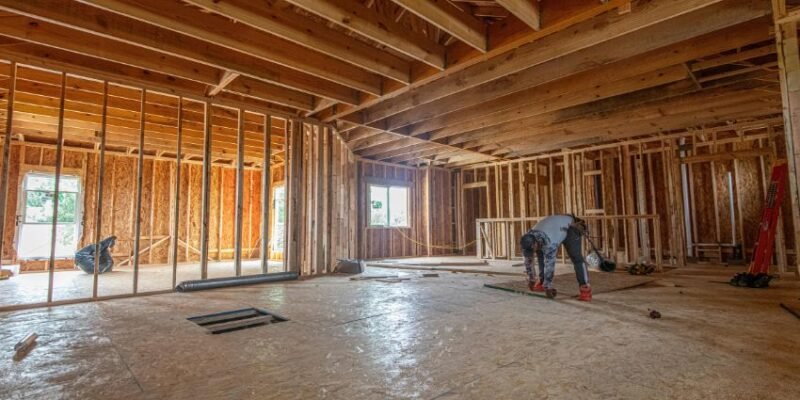
In the bustling world of commercial cleaning, a common problem persists: cleaning companies often find themselves performing extra work that was never paid for. Unclear scopes and verbal expectations in multi-phase cleaning projects frequently lead to disputes about what work was supposed to be completed. This challenge is especially pronounced in complex cleaning tasks that span several stages. Enter the three-phase clean concept, an approach designed to bring order and clarity to these projects. By utilizing ProTeams task checklists, cleaning companies can enforce scope, ensure accountability, and protect their revenue, effectively eliminating unpaid work and disputes.
What Is the Three-Phase Clean?
The three-phase clean is a structured approach to managing cleaning projects, breaking them down into distinct phases:
Phase 1: Initial / Rough Clean
The initial phase focuses on removing large debris and performing a basic clean to prepare the space for more detailed work. It sets the foundation for subsequent phases and requires a specific labor input.
Phase 2: Detailed / Deep Clean
In this phase, the emphasis is on thorough cleaning. This involves scrubbing, polishing, and ensuring every nook and cranny meets high standards. It is labor-intensive and carries a higher value due to the detailed attention required.
Phase 3: Final / Touch-Up Clean
The final phase involves a light clean to address any areas impacted by ongoing work or overlooked in previous phases. It ensures the space is pristine and ready for use.
Each phase has a unique scope, labor requirement, and value, making it crucial to clearly define and separate them. Confusion between phases often leads to unpaid work, as tasks intended for one phase may inadvertently be carried out during another without proper documentation or payment.
Why Unpaid Work Happens in Multi-Phase Cleaning Jobs
Unpaid work in multi-phase cleaning projects primarily arises from several factors:
- Vague Scopes of Work and Informal Change Requests: Without clearly defined scopes, confusion abounds. Informal change requests can lead to additional tasks being completed without formal acknowledgment or payment.
- Crews Completing “Quick Extras” Without Authorization: In the spirit of goodwill, crews might perform extra tasks, assuming they are minor. However, these extras can accumulate into significant unpaid labor.
- Lack of Documentation Separating Included vs. Billable Tasks: Without clear documentation, distinguishing between tasks included in the original scope and those that are billable becomes challenging.
- Property Managers Assuming All Phases Include the Same Work: Miscommunication can lead to assumptions that all cleaning phases cover identical tasks, leading to disputes when expectations do not match reality.
How ProTeams Task Checklists Prevent Scope Creep
ProTeams task checklists offer a structured solution to prevent scope creep and protect revenue:
- Phase-Specific Task Lists: Each cleaning phase has its own checklist, ensuring tasks are completed as planned and no phase overlaps another.
- Required Task Completion: Crews are instructed to adhere strictly to assigned tasks, preventing unauthorized work and ensuring accountability.
- Time-Stamped Logs: These logs provide proof of when each phase was executed, offering a clear timeline and reducing disputes about task completion.
- Photo & Notes Documentation: Visual evidence supports the scope of work, with photos and notes detailing tasks completed. This documentation serves as indisputable proof of service delivery.
- Manager Visibility: Real-time oversight allows managers to monitor progress, ensuring all tasks are completed as planned and identifying any omissions.
- Change Control: Any new tasks must be formally added to the checklist before execution, preventing unauthorized changes and ensuring all work is documented and paid for.
By integrating these elements, ProTeams task checklists help commercial cleaning companies maintain control over their projects, ensuring every task is accounted for and paid.
Business Benefits of Checklist-Driven Cleaning Operations
Implementing checklist-driven cleaning operations offers several business benefits:
- Reduced Disputes Over Scope and Billing: Clearly defined checklists minimize misunderstandings and disputes, ensuring all parties are aligned on expectations and deliverables.
- Faster Invoice Approvals: With documented evidence of completed work, invoice approval processes are expedited, improving cash flow.
- Clear Communication with Property Managers and GCs: Transparent documentation fosters open communication, building trust with property managers and general contractors.
- Higher Crew Confidence and Fewer “Do-It-Anyway” Decisions: Crews are empowered to follow the checklist without second-guessing, reducing unauthorized work.
- Stronger Margins on Complex Cleaning Projects: By preventing unpaid work, companies can maintain stronger profit margins and ensure financial stability.
Best Practices for Implementing Three-Phase Task Checklists
To effectively implement three-phase task checklists, consider the following best practices:
- Define Scopes Clearly Before the First Phase Begins: Ensure all parties understand the scope of each phase to prevent confusion.
- Train Crews to Follow Checklists Strictly: Proper training ensures crews adhere to the checklist, minimizing deviations and unauthorized work.
- Require Approval Workflows for Scope Changes: Establish a formal process for handling scope changes, ensuring all modifications are documented and approved.
- Review Checklist Data Before Invoicing: Before submitting invoices, review checklist data to confirm all tasks were completed as planned, avoiding billing disputes.
What Property Managers Expect from Professional Cleaning Vendors
Property managers have specific expectations from cleaning vendors, including:
- Clear Separation of Phases and Responsibilities: A well-structured approach to phases ensures tasks are completed without overlap or confusion.
- Proof of Completed Work by Phase: Documentation of completed work provides assurance that services were delivered as promised.
- Transparent Billing Tied to Documented Scope: Billing should reflect the documented scope, ensuring transparency and fairness.
- No Surprises—Only Agreed-Upon Services Delivered: Property managers expect cleaning vendors to deliver only the services agreed upon, with no unexpected additions or omissions.
Conclusion
Mastering the three-phase clean is essential for profitability in the commercial cleaning industry. By implementing structured task checklists, companies can protect their revenue, eliminate unpaid work, and ensure clarity and accountability in every phase of their projects. Task checklists are not an exercise in micromanagement; they are a vital tool for revenue protection and business success. Cleaning companies are encouraged to adopt ProTeams task checklists as a means to protect their margins and deliver reliable, high-quality service to their clients.